
CleanupBy Sheafor Financial2 min read
Behind on Your Books? A Step-by-Step Catch-Up Bookkeeping Guide
Months of unreconciled transactions feel overwhelming, but catch-up bookkeeping follows a predictable order. Here is how to get current without losing your mind.
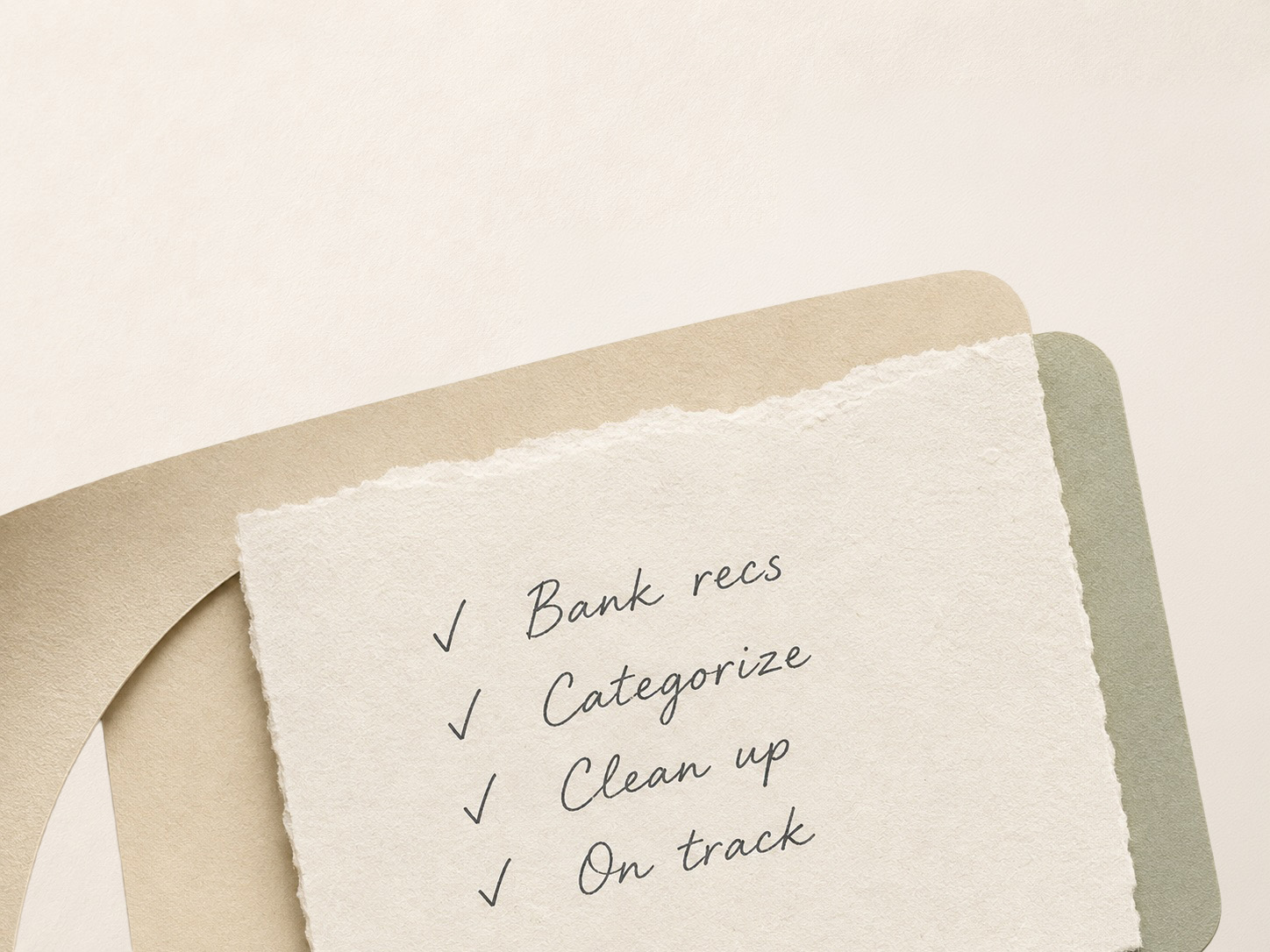
Almost every small business owner falls behind on bookkeeping at some point. A busy season hits, a key employee leaves, or the shoebox of receipts just keeps growing. The good news: catching up is a process, not a mystery. Work through it in the right order and the backlog shrinks faster than you expect.
1. Decide your starting point
Pick the last date your books were truly accurate, usually the last month where your bank balance in the books matched your bank statement. Everything after that date is your catch-up window. If you are not sure, start at the beginning of the current tax year.
2. Gather every source document
Before you categorize a single transaction, collect:
- Bank and credit card statements for every account in the catch-up window
- Payroll reports from your payroll provider
- Loan statements showing principal and interest
- Sales records from your POS, invoicing tool, or payment processor
- Receipts and bills for anything over a few hundred dollars
Having everything in one place prevents the most common catch-up mistake: categorizing the same expense twice from two different sources.
3. Connect feeds and import history
Most accounting software can pull 90 days or more of history through bank feeds. For older periods, download statements as CSV files and import them. Import one account at a time and confirm the opening balance before moving on.
4. Categorize, then reconcile, one month at a time
Work chronologically. For each month:
- Categorize every transaction to the right account in your chart of accounts.
- Match transfers between accounts so they are not counted as income or expense.
- Reconcile against the bank statement until the difference is zero.
A reconciled month is a finished month. Do not jump ahead until the current one ties out.
5. Clean up receivables and payables
Once cash is right, review open invoices and unpaid bills. Old invoices that were actually paid, duplicate bills, and write-offs that never got recorded are where most balance sheet errors hide.
6. Review the reports
Run a profit and loss statement and balance sheet for the full catch-up window. Look for anything that seems off: a negative bank balance, an expense category that doubled, or uncategorized income. Fixing these now saves real money at tax time.
When to bring in help
If your catch-up window is longer than a few months, involves payroll corrections, or you need clean financials for a lender or tax deadline, a professional cleanup is usually faster and cheaper than doing it yourself. Our catch-up and cleanup service is built for exactly this situation.